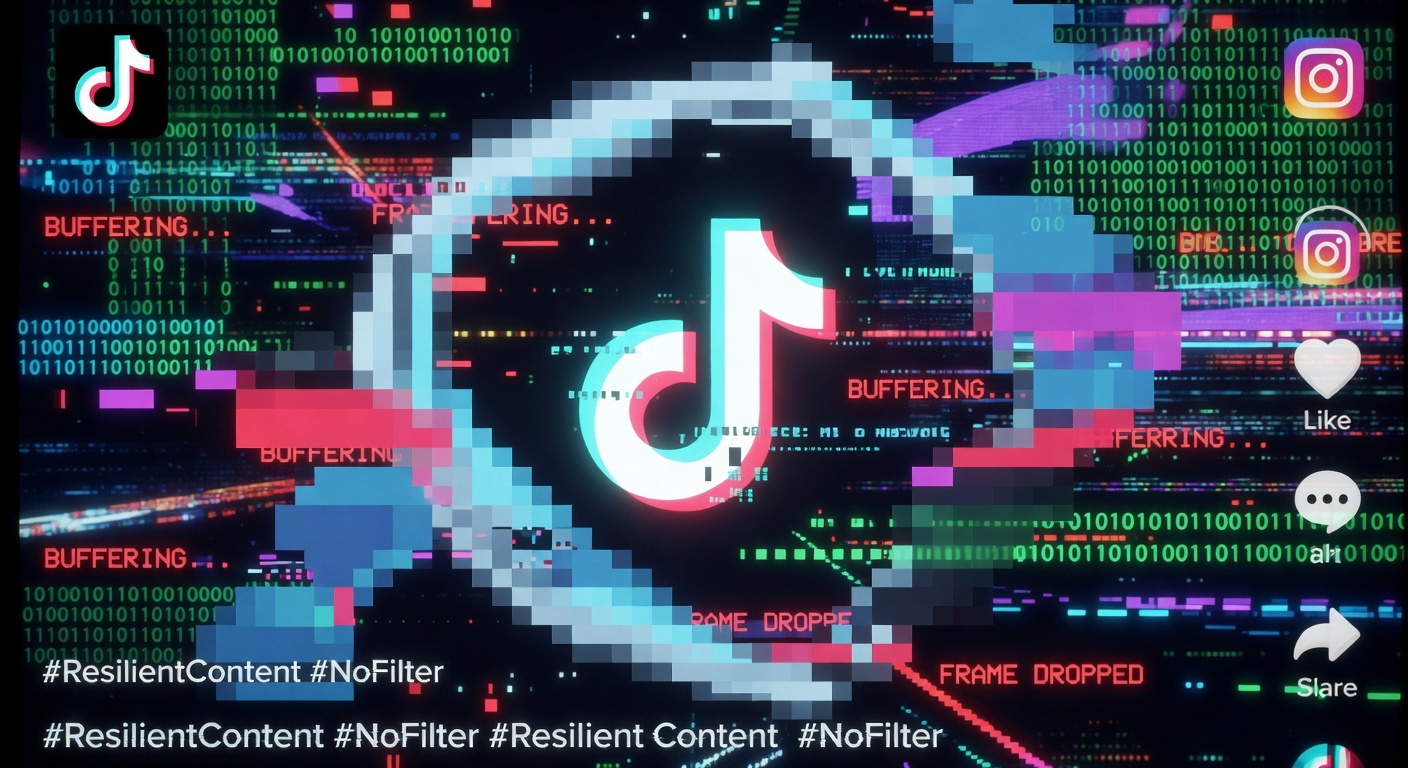
The Compression Torture Test
When you upload a 4K video to TikTok, it gets crushed. Bitrates drop, pixels are smeared, and most "fragile" digital watermarks are simply erased.Frequency-Domain vs. Neural Watermarking
Traditional watermarks often hide data in high-frequency pixel data (fine details). Compression algorithms target exactly that data first. LexPixel uses a Neural Watermarking approach (Meta VideoSeal). Instead of hiding data "on top" of the image, it trains a model to recognize patterns that are deeply embedded into the video's structure. These patterns are designed to survive the destructive nature of H.264 and H.265 compression.Why It Matters for Compliance
If a regulator finds an AI video on a platform and can't read your watermark, your compliance has failed. LexPixel's engine is built for the Real Web, where files are small and headers are stripped.Verdict
If your content is destined for social media, LexPixel is the only choice that ensures your "AI-Generated" label actually stays attached.Frequently Asked Questions
What is the maximum compression LexPixel can survive?
Our internal testing shows strong detection rates even at aggressive compression levels typical of mobile-first social networks. We recommend using our free Sandbox to test with your own video content and compression settings.